
Business Details
34 Years
experience
Trusted Service Dog Training in Tulsa
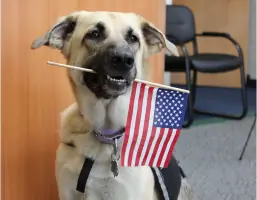
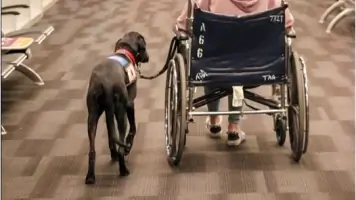
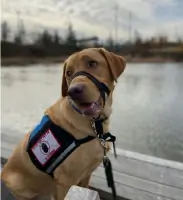
Therapetics Service Dogs is a Tulsa-based nonprofit organization dedicated to enhancing the lives of individuals with disabilities through the placement of exceptionally trained service dogs. Since 1992, we have successfully matched service dogs with Oklahomans in need, relying entirely on the dedication of volunteers and the generosity of donors. Our program focuses on training both mobility assistance dogs and psychiatric service dogs to address the specific needs of veterans, first responders, and individuals with physical disabilities. Our mobility dogs are trained to perform tasks that improve independence, such as opening doors and retrieving objects, while our PTSD service dogs assist in reducing symptoms through actions like turning on lights and providing a sense of security. We operate exclusively through volunteer efforts and community support, ensuring that each dog receives approximately two years of training and $10,000 in associated costs.Despite these investments, we place all dogs with clients at no charge, offering lifelong training and support for each human-dog partnership. Our team of unpaid volunteers, including a Board of Directors, trainers, and staff, works tirelessly to maintain our mission of empowering independence. We collaborate with individual donors, breeding kennels, and rescue groups to source dogs, some of which transition to alternative roles if they are not suited for service work. With a commitment to transparency and community impact, we continue to serve the greater Oklahoma area through outreach, fundraising, and education.
Services
Mobility Assistance Dogs
PTSD Service Dogs
Service Dog Training
Volunteer Programs
Community Awareness
Details
- Year established: 1992
Highlights and features
- We have trained service dogs for individuals with disabilities since 1992.
- Our program provides lifelong support for every dog-handler partnership.
- We place dogs at no cost to clients after a rigorous training process.
- Our volunteer-driven model ensures community-focused service delivery.
- We partner with donors and rescue groups to source suitable service dogs.
Services
Mobility Assistance Dogs
Our Mobility Assistance Dogs are specifically trained to perform physical tasks that enhance independence for individuals with limited mobility. Dogs learn to open doors, retrieve dropped objects, and assist with household chores. This service creates life-changing improvements in daily living for clients.
PTSD Service Dogs
Psychiatric Service Dogs reduce PTSD symptoms for veterans and first responders through targeted interventions. These dogs turn on lights, create safe space barriers, and alert to approaching individuals. Our training addresses specific trauma-related needs while ensuring public access capability.
Lifetime Support
We provide continuing training and support for every service dog partnership throughout the working life of the team. Our program ensures successful adaptation to evolving needs through regular check-ins and skill maintenance sessions.
Volunteer Training
Therapetics Service Dogs offers volunteer opportunities in dog training, care, and administrative support. Our volunteer network receives structured training to maintain consistent service standards while working with both service dogs in training and career-change dogs.
Public Education
We conduct outreach initiatives to increase understanding of service dog roles and accessibility laws. Our educational efforts focus on community integration, proper public interaction with service teams, and disability awareness campaigns.
People
Meredith Cole
President
Meredith Cole leads Therapetics Service Dogs' strategic direction as President, overseeing service dog training programs and volunteer coordination. With extensive experience in nonprofit leadership, she ensures the organization maintains its mission focus while expanding community impact through innovative partnerships.
June Pennell
Vice President
As Vice President, June Pennell manages operational logistics for dog training and placement programs. Her decade-long involvement with service animals informs our training methodologies, ensuring each dog meets rigorous standards for public access and task performance.
Jim Sleezer
Treasurer
Jim Sleezer oversees Therapetics Service Dogs' financial operations with meticulous attention to donor fund allocation. His volunteer financial leadership ensures 100% of donations directly support dog training and placement programs while maintaining fiscal accountability.
Questions
How do I apply for a service dog?
Applications are available through our website. We train dogs for Oklahoma residents with physical disabilities or PTSD. The process includes medical documentation, interviews, and 100 hours of training in Tulsa.
Are service dogs provided at no cost?
Yes, all service dogs are placed with clients at no charge. Our program covers the full training cost through donations, requiring no financial commitment from recipients.
What breeds do you train?
We primarily work with Standard Poodles for their trainability and hypoallergenic coats. Dogs come from donations, rescue groups, and breeding partnerships based on suitability for service work.
Do you serve out-of-state clients?
Our placement program is limited to Oklahoma residents. We can provide referrals for other service dog organizations that may serve your specific needs outside Oklahoma.
How can I volunteer?
Volunteer opportunities include dog training, foster care, event assistance, and administrative support. Complete our volunteer sign-up form to find the best fit for your skills and interests.
Reviews (2)
Working Paw Vlogs
Apr 20, 2022
Report
Something about the company is just #1 they don't have Respect for your trainers that take their own time and hard work to make sure these dogs are well trained #2 they aren't responsible for their own training dogs, they will not cover costs for any damages their training dogs make #3 they don't give you the freedom to train the dog, if you train for them get ready to have a lot of boundaries and they pick what tools you can or cannot use on the dog #4 they pick and choose their favorite trainers, if your not one of those get ready for the hate I could say more but I think this is enough to prove my point
Rachel Schumacher
Apr 17, 2019
Report
Been the staff photographer for a little over a month and I'm very passionate about this organization. They do great work and everyone (dogs & their trainers) are so amazing.